How to Choose Splicing Tape Correctly
You will find splicing being used in different objects ranging from important objects to disposable ones. For instance, you will find splicing tape and splicing being used in coffee cups and their corrugated sleeves.
Similarly, the meat tray made out of foam and the shipping boxes you see at your nearby post office are all also spliced. So, in the following sections let us learn more about splicing and splicing tapes.
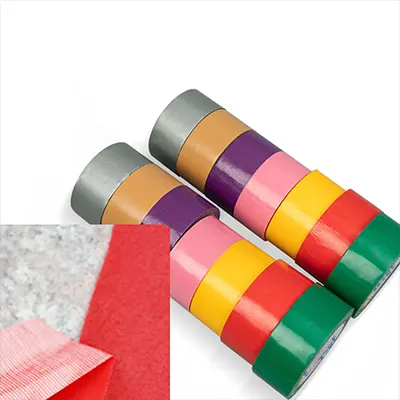
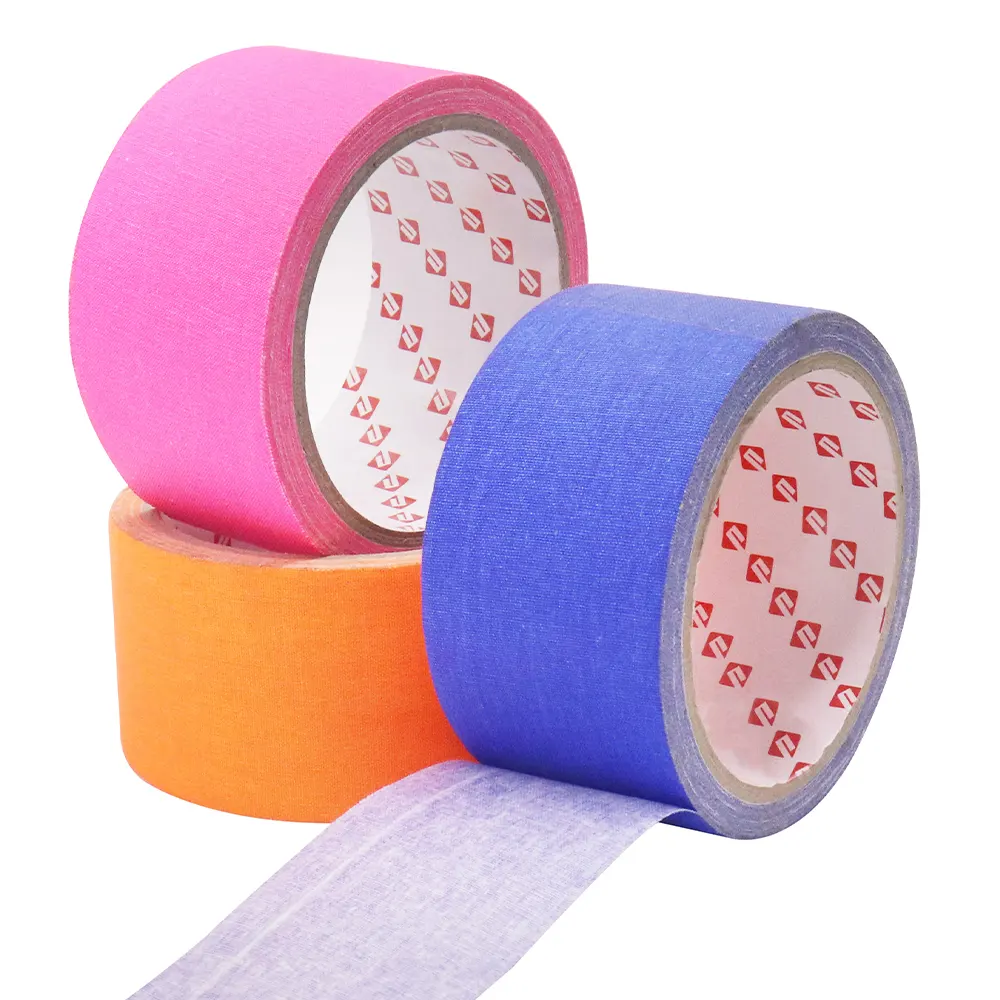


What is Splicing Tape?
In technical terms, a splice refers to a process where two rolls are merged with the help of tape for creating a single continuous roll. Splicing is used for rolls of materials that will undergo converting or manufacturing process for creation of some product such as a shipping box or a coffee cup.
Thus, if material is in the form of a roll (like film or paper) and it will go through a conversion process for the creation of finished products (such as bags, coffee sleeves, boxes, envelopes, etc.) then it is necessary to join different rolls together.
The procedure that is used for combining two rolls is known as splicing.
What are some of the products that utilize adhesive tapes for splicing?
There are different products which utilize custom packaging tape.
Material in Rolled Form: Material that comes in the form of a roll get spliced. Some examples include house wraps, canvas, truck tarps, etc.
Coffee Cups: Coffee cups are also spliced. The first step involves unwinding and splicing the paper that will be used for making the cup. Then, it is transformed in to the shape of a cup. The next step consists of splicing paper for making the sleeve of the coffee cup.
Corrugated Material: Corrugated material is utilized for making boxes and paper is spliced for this purpose. Such corrugated material consists of 3 layers; fluting in the middle and inside as well as the outside liner.
Foam Rolls: Splicing is performed for multiple foam rolls and after those are converted into foam trays that we find at grocery stores in the form of vegetable and fruit trays.
Packaging: Most forms of packaging gets spliced. For instance, coated film used for packaging purpose (like chocolate bars, plastic bags, and potato chips) get spliced.
Laminated Flooring: Laminated flooring also begins its journey as a sheet of vinyl which is spliced to create the end product.
Thus, tape splicing is a technique that helps in making our lives more enjoyable and efficient.
Different Splicing Tapes
Splicing tapes are available in different qualities. For example, styrofoam will require a different type of tape that will be required for newsprint.
Additionally, if a tape is selected that cannot stick properly then it can become necessary to shut-down the machine and re-thread them. For a business this can mean the loss of revenue.
This is the reason that locating the right tape that is suitable for a particular type of splicing is very important.
How to select a suitable splicing tape?
The splicing tape selection will depend upon what is to be converted, the substrate, and the manufacturing procedure to be used.
The selection of right splicing tape is important as otherwise the risk of tearing can increase and the wrong selection can stop or slow down the conversion procedure.
At the time you select a splicing tape it will be necessary to keep note of the fact that splicing tapes can have:
Different levels of adhesive
They can be double or single coated
Consist of paper, film, or polyester carriers
Consist of adhesives that can withstand high temperatures
Be repulpable
Factors to be Considered During Splicing Tape Selection
1: Improve Knowledge about the Application
It will be important for you to know the kind of splice it will be and how it is to be utilized. Let us delve into the details here.
It is known as a one sided splice. Here, paper does not overlap instead it joins with one another. Therefore a butt splice is utilized for connecting two pieces on their seam.
Overlap Splice: As the name suggests, here the ends overlap in this type of double-sided splice.
V or W Splice: This process is utilized in paper mills and newsprint. Here, the greater surface area is created by the use of a V or W pattern that the tape has. Moreover, due to this pattern there is a lesser likelihood of seams tearing.
2: Check Whether it is Double or Single Coated Application
You need to be aware of the fact that if you want butt splicing the splicing tape should be single coated.
If splicing tape is required for converting operations, then double coated ones will be the right option. This is right for coaters, laminators, and similar other operations to be utilized for manual and flying splices, roll finishing as well as core starting.
3: Examine the Substrate
Many things can be spliced ranging from rubber to foam, corrugated, and paper. As such, it is necessary that you have the knowledge of substrate or material that the tape will be adhering to.
For instance, it is difficult to splice coated paper (that is utilized for food service containers and product boxes) and higher tack splicing tape is required for coated paper.
4: Check Field Conditions
Temperature: In different manufacturing industries flying splices pass through heat chambers and higher temperature resistance is an important factor to look into.
Humidity: If you want to make sure that the adhesive and substrate are not gumming up your machinery, then repulpable splicing tape will be the right option. This way the production process will not be halted when paper is produced and water is utilized in the manufacturing process.
评论
发表评论